

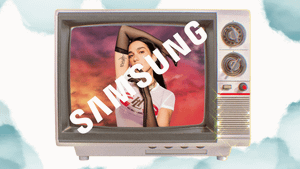
Dua Lipa has sued Samsung for selling TVs in boxes that have her photo on the side.
The boxes actually feature a photo of a Samsung TV displaying the company’s own streaming service, Samsung TV Plus. But across the top of the home page of the streaming service is a photo of Dua Lipa. And that, says her lawsuit filed with the courts in California, constitutes a “massive unauthorised commercial exploitation of her valuable image and likeness”.
“Over the last decade, Ms Lipa has created one of the most successful and recognisable artist brands in the world” the lawsuit goes on. And she has also “developed substantial commercial value in her name, image and likeness, which she has successfully monetised through brand sponsorships, endorsements and related promotional partnerships”.
But Samsung ignored Lipa’s rights and licensing business by just plonking her photo on the side of its boxes without asking. And when her lawyers sent a cease and desist letter, the telly maker was “dismissive and callous”, and ignored her complaints.
If you’re doubting whether Samsung is really getting any benefit from having Lipa’s image on a web page on a screen on the side of its boxes, think again. Lipa’s lawsuit cites fans on social media saying they bought a Samsung TV simply because their favourite pop star appeared on the packaging.
“I wasn’t even planning on buying a TV but I saw the box so I decided to get it”, writes one fan. “If you need anything selling just put a picture of Dua Lipa on it”, says another.
Lipa’s lawsuit accuses Samsung of infringing her copyrights, trademarks and publicity rights. She herself owns the copyright in the photo that appears on the Samsung boxes, according to the legal filing, hence the claim for copyright infringement.
When it comes to trademark infringement, Lipa only has a registered trademark in the US in relation to her name, but, says the lawsuit, she has “common law trademark rights in her brand, image and likeness, which are inherently distinctive and recognisable to consumers”.
In countries like the US unregistered common law trademarks can exist where a brand, image or likeness is used commercially in association with goods and services.
Given Samsung’s response to Lipa’s cease and desist letter, it presumably believes that, in the context of the image on its boxes, it doesn’t need all or any of the licences Lipa claims they should have secured. But we await to see what specific arguments it makes when replying to the lawsuit.