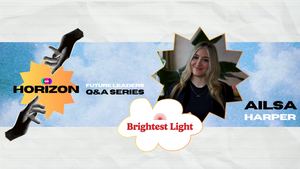
As part of our Horizon Future Leaders series of interviews, we are connecting with the music industry’s next generation of leaders to gather candid advice and insights into their career journeys.
Ailsa Harper is the founder of Brightest Light, a consultancy that’s become a go-to for artists and creative teams who need to cut through the noise online and build sustainable careers without burning out.
She also mentors with Help Musicians and Tinderbox Music, and has just co-founded Not The DJ’s Girlfriend, a project exploring identity, perception and the experiences of women in music spaces that's already sparking necessary conversations.
What sets Ailsa apart is how seriously she takes the holistic side of artist development. She understands that artists today are expected to be creators, marketers and their own managers all at once, while navigating platforms and algorithms that shift constantly.
Her approach goes beyond just digital strategy, she’s currently undertaking a COSCA Counselling Skills Certificate. She supports artists not just strategically, but as people navigating an intense and fast-moving environment.
She didn’t study music, so she built her experience from the ground up, working in a recording studio, doing merch and cash desk shifts, supporting events, and eventually leading digital campaigns and strategy at A Modern Way Management and Aimless Play.
Her advice for anyone trying to break in: put yourself forward. Reach out, ask questions, make yourself visible. And if something doesn’t exist yet, you don’t have to wait for it to appear - you can take initiative and create it yourself. That’s exactly what she’s done.
Read the full Q&A with Ailsa below 👇
What’s your current role in the music industry?
I work across a few different areas of the music industry, all centred around artist development and support. I’m the founder of Brightest Light, a consultancy where I run workshops and work directly with artists and creative teams on digital strategy, audience growth and long-term career development.
A lot of my work focuses on helping artists cut through the noise online, building sustainable ecosystems around their music, and showing up in a way that feels authentic.
Alongside that, I’m a mentor with Help Musicians as part of their Business Advice Mentoring Network, and I work as a mentor for Tinderbox Music, a non-profit artist development programme supporting emerging talent through a combination of bespoke guidance and advice.
I’ve also just co-founded a new project called Not The DJ’s Girlfriend which is focused on exploring identity, perception and the experiences of women in music spaces, aiming to challenge assumptions and create more inclusive conversations.
What does your general day to day look like?
No two days ever look exactly the same, which is something I really value about working in this industry. A typical day might include developing digital strategies and content plans, reviewing campaigns, running one of my workshops or mentoring directly one-to-one with artists. It’s a real mix of creative, strategic and people-focused work, which keeps it both challenging and rewarding.
What steps did you take early in your career to gain experience and build skills to get you where you are now?
Having not studied music, I focused on gaining as much hands-on experience as possible across different parts of the industry. I didn’t follow a single defined path, instead I said yes to a wide range of opportunities. I started off working in a recording studio called Banana Row which led to working merch and cash desk shifts at shows to supporting events and getting involved wherever I could.
That gave me a really grounded understanding of how the industry works at every level, and helped me build both practical skills and relationships. As I progressed, I moved into more focused roles in artist management and marketing, including working at A Modern Way Management and later at Aimless Play, where I led digital campaigns and strategy.
Those roles allowed me to develop a deeper understanding of how to build and deliver campaigns, and how to support artists in a more long-term, strategic way.
Alongside that, I made a conscious effort to keep learning, attending industry conferences, staying close to new developments in the digital space, and learning from the people around me. That combination of hands-on experience, curiosity and adaptability has really shaped how I work today.
What opportunities did you explore early on that were particularly valuable?
One of the most valuable things I did early on was putting myself in environments where I could learn from others whether that was through roles, events or music networks.
For example, I worked on the street team for Bauer Radio at my local radio station, reviewed local gigs and attended youth events such as Off The Record, which gave me access to conversations, shared knowledge, and a sense of community that’s incredibly valuable in what can be quite a complex industry.
Exploring different roles from events to management to digital marketing gave me a well-rounded perspective that I still draw on now. It helped me understand not just individual areas of the industry, but how they all connect, which is essential when supporting artists in a holistic way.
Has the opportunity landscape changed since then?
When I was first starting out, a lot of my early experience came through unpaid roles and volunteering, which at the time felt like one of the only ways to get a foot in the door. While that gave me valuable hands-on experience, it also highlighted some of the barriers that exist in the industry.
It’s really encouraging to see a shift now towards recognising the value of people’s time and skills, and more conversations around fair pay and access.
There are also more local networks, communities and development programmes emerging, which make it easier for people to find support, build connections and navigate the industry in a more structured way.
Are there any specific internships, projects, or initiatives that you would recommend to newcomers looking to pursue a similar role?
Networks like The Cats Mother are incredibly valuable for building connections, sharing knowledge and finding a sense of community within the industry. I was really lucky to get some mentoring sessions a few years ago, and it really helped shape my next steps forward.
Initiatives like Hen Hoose in Scotland are also brilliant, creating collaborative, inclusive spaces for women and non-binary artists to develop their skills and build community.
Similarly, organisations like Off The Record offer really accessible ways to learn more about how the industry works, hear directly from professionals, and start to understand where you might fit within it.
What advice do you have for building and leveraging a professional network in the music industry?
For me, building a professional network has always been about genuine connection rather than treating it as something transactional.
I’d really encourage people not to be afraid to reach out to others whose work they admire, whether that’s asking for a coffee, a quick chat, or even just introducing yourself. The worst outcome is usually no response, but the best can be the start of a really valuable relationship.
It’s also important to recognise that you can bring value at any stage in your career - a fresh perspective, your prior experiences, ideas and enthusiasm are all incredibly valuable, even if you’re just starting out.
How has the evolving digital landscape impacted your role, and where do you focus to stay ahead?
The digital landscape has changed hugely, particularly across social media as platforms, algorithms and audience behaviour are constantly evolving, so there’s no one-size-fits-all approach anymore.
A big part of my role is helping artists stay adaptable, build genuine connections with their audience, and navigate that space in a way that feels sustainable rather than overwhelming. To stay ahead, I’m always learning through industry resources, newsletters, Substacks, and observing real-time trends and engagement.
Alongside that, I’m also focused on developing my skills more holistically. I’ve been undertaking a COSCA Counselling Skills Certificate, driven by an interest in mental health and its impact on the music industry. That’s really shaped how I support artists not just strategically, but as people navigating an intense and fast-moving environment.
What trends or changes do you see on the horizon for the music industry, and how can early career professionals prepare for them?
I think we’ll continue to see rapid change in how artists build and sustain their careers, particularly in the digital space. Audiences are constantly evolving, and artists are being asked to take on more roles than ever from creator to marketer to being their own manager.
At the same time, there’s a growing focus on sustainability, both financially and personally, with more open conversations around mental health, boundaries, and what a long-term career in music really looks like.
I hope we’ll continue moving towards an industry that better recognises the importance of mental health, and places more value on how we support artists to navigate those pressures in a healthy and sustainable way.
What’s one piece of advice you wish someone had given you at the start of your career?
If you’re passionate about something, it’s so important to put yourself forward. Reach out to people, contact companies, ask questions and make yourself visible. So many opportunities come from simply starting a conversation or expressing interest, rather than waiting until you feel fully ready.
I’d also say that if something doesn’t exist yet, you don’t have to wait for it to, you can create it yourself. Some of the most valuable experiences come from taking initiative and building something from the ground up, even in a small way.