

Universal Music says that the “general intent” of US lawmakers when they introduced the current termination right in American copyright law 50 years ago - which was to provide extra protections for creators - is not relevant in its ongoing legal bust-up with Salt N Pepa.
The rappers, and their supporters, insist that that core objective of US Congress when passing the 1976 Copyright Act is incredibly important, and - if a January decision by Judge Denise Cote dismissing Salt N Pepa’s termination rights lawsuit is allowed to stand - that objective has not been achieved.
And because this dispute will likely impact on other artists seeking to reclaim rights in old recordings by exercising the termination right, if Cote’s judgement is not overturned by the Second Circuit Appeals Court, the creator protections provided by the Copyright Act are merely “illusory”.
However, the major claims that Salt N Pepa are simply “seeking to sidestep” a “foundational deficiency” in their unsuccessful termination rights lawsuit by honing in on what 1970s lawmakers were trying to achieve.
And the general intent of Congress half a century ago “cannot override” the “clear statutory language” of the copyright law Congress actually passed, Universal’s lawyers insist in a filing with the appeals court.
Salt N Pepa are trying to reclaim ownership of the rights in their 1980s recordings by exercising the US termination right, which says creators who transfer or assign copyrights to a business partner, like a record label, can terminate the transfer and reclaim the rights after 35 years.
Universal, which long ago acquired the Salt N Pepa master recordings, argues that the termination right does not apply to the rappers, because they never owned the copyright in their records, which means there was never any transfer of rights, so there is nothing to terminate now.
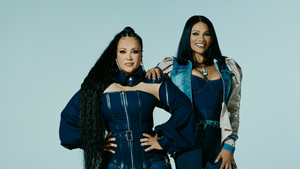
In January, Judge Cote sided with Universal and dismissed the rappers’ lawsuit. Salt N Pepa - aka Cheryl James and Sandra Denton - now want the Second Circuit to overturn that ruling. They were recently supported in that bid by groups representing music creators and music lawyers, who submitted ‘amicus briefs’ with the court. Universal’s new filing responds to the rapper’s appeal and the amicus briefs.
In their amicus brief, the Music Artists Coalition and Authors Alliance argued that the termination right was added to US copyright law by Congress to provide extra protection for creators and authors, but that Cote’s ruling makes the protection “illusory”. Which is why the Second Circuit should intervene.
But that’s not relevant to this specific dispute, according to Universal’s new filing. Cote dismissed James and Denton’s lawsuit, it says, because their 1980s contracts with the company that produced their recordings “contained no grant of copyright rights” from the rappers to the producer, which is “a fundamental requirement of the Copyright Act’s termination provisions”.
While James and Denton’s lawyers have “searched in vain” for “something to pass off” as a grant of rights in those agreements, “they ultimately fail to come up with anything remotely plausible”. As a result, they “seek to sidestep that foundational deficiency with a single-minded focus on the termination provision’s general intent to benefit authors”.
However, Universal insists, past precedents in the Second Circuit court have made it clear that “such broad policy arguments cannot override clear statutory language requiring a contrary result”.
Universal argues that because there is no explicit transfer of rights in the 1980s agreements, and the rapper’s don’t explicitly claim any ownership of copyright in those agreements, the default first owner of the rights in the original Salt N Pepa recordings was the production company. Which in turn ultimately transferred the rights to the major.
However, Salt N Pepa argue that just because they didn’t claim ownership of any recording rights in their 1980s contract, that doesn’t mean they weren't the default first owners. Which would mean there was, in fact, an implied transfer of rights in the 1980s.
While all these arguments are obviously important to James and Denton, the outcome of this case could impact on other artists seeking to exercise the termination right where there is a dispute over who was the original owner of the copyright. Which is one reason why those organisations representing creators and lawyers have sought to intervene.
Which means the impact of this case could go beyond James and Denton themselves. Universal’s new filing hits back at various other legal arguments put forward by the rappers. Given the potential wider impact of this dispute, it will be interesting to see how the Second Circuit now rules on all the various copyright technicalities.