

The judge who oversaw the big antitrust lawsuit against Live Nation in the US has more than enough information to decide if the settlement deal it agreed with the US Department Of Justice is in the public interest. Or so says Live Nation.
After all, although that deal settled the federal lawsuit against Live Nation and its Ticketmaster subsidiary, 33 US states proceeded with their own antitrust lawsuits against the live music giant. Which means Judge Arun Subramanian has “a six week jury trial” plus various “post-trial motions” to rely on.
In a new letter to the judge, Live Nation’s lawyers write that “this court is already well equipped to evaluate” how the DoJ deal “furthers the public interest”, because it “understands the strengths and weaknesses of the underlying claims, and the litigation risk eliminated by settlement”.
All of this is relevant because 21 of the 33 US states that proceeded with the big antitrust litigation - and which convinced a jury that Live Nation and Ticketmaster operate an unlawful monopoly - are now trying to persuade Subramanian to force Live Nation and the DoJ to provide information, documents and testimony that would provide more insight into the deal than is currently available to the public.
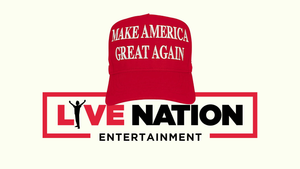
The DoJ deal has proven controversial amid allegations it was mainly the result of hardline lobbying by Donald Trump allies hired by Live Nation.
And therefore, critics argue, the nominal operational and policy changes Live Nation commits to in the deal don’t really address the competition law issues raised over the market dominance of Live Nation and Ticketmaster when it comes to touring, ticketing and venue management in the US.
Attorneys General for all those US states - who are the highest legal officers in each of the states involved in the litigation - still want Live Nation and Ticketmaster to be split up, and are pushing for that to be a sanction against the live music company following the jury’s unlawful monopoly ruling.
They discussed the DoJ deal in their own letter to Subramanian earlier this month, expressing “significant concerns that the settlement is not in the public interest”, and that the concessions offered by Live Nation “appear to be insufficient to meaningfully increase competition in the relevant markets and could also increase barriers to entry and reduce competition”.
It’s for Judge Subramanian to ultimately decide if the DoJ deal is in the public interest. But as part of that process, the letter from the 21 US states pointed out, the court “may authorise any discovery it deems appropriate” under the relevant US laws contained in the Tunney Act. Which means forcing Live Nation and the DoJ to share more information about their deal and how it was agreed upon.
Both Live Nation and the DoJ itself have now written to Subramanian insisting that discovery is not appropriate in this case.
The discovery provisions in the Tunney Act, Live Nation’s lawyer argue, typically apply when a settlement deal means a dispute never goes to trial, because in that scenario the judge has access to much less information about the relevant legal arguments. But that’s not the case here, they argue.
Not only that, they go on, but the discovery requests made by the states are far too “vague and undefined”, making it hard to know if the documents and information requested "will serve the public interest inquiry". So much so, they add, the US states are basically requesting “discovery of a scope that would be without precedent under the Tunney Act”.
Whether or not more information is actually needed to assess the merits of the DoJ deal can probably be argued either way, but it seems likely that forcing more discovery will reveal more about Live Nation’s cozying up with some of Trump’s closest allies, which could prove embarrassing for the company. So, you know, let’s hope Subramanian demands every single bit of information is shared, just for the fun of it.