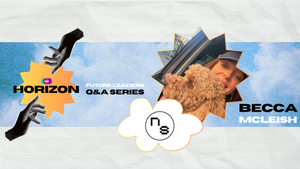
As part of our Horizon series of interviews, we are connecting with the music industry’s current and next generation of leaders to gather candid advice and insights into their career journeys.
This week we caught up with Becca McLeish, publicist and owner of Nightswim Agency.
Becca started out launching a music website at university in Manchester, writing about artists, interviewing musicians, organising events and eventually hosting stages at festivals.
It grew into something she’s still proud of, giving aspiring writers a platform to develop creatively while giving her a ground-level education in artist relations, live events and what it actually takes to build something from scratch. She didn’t wait for opportunities to come to her. She created them.
That energy carried through everything that followed. She worked at at SJM Concerts for 5 years before moving through roles at Soundcrash and The Columbo Group - working across venues like The Jazz Cafe, XOYO, Phonox and Camden Assembly.
During COVID she moved into artist PR at Cousin Agency and a few years later launched Nightswim Agency - the kind of collaborative, thoughtful agency she always wanted to work with herself. One that treats every artist, festival, label and venue as a distinct story to tell rather than a campaign to run through a template. No one-size-fits-all. Just work that’s built around who the artist actually is.
What makes Becca’s perspective worth paying attention to is how clearly she sees the things that don’t change. Technology evolves, platforms come and go, but being reliable, adaptable, enthusiastic and good to work with still matters more than almost anything else.
The strongest campaigns always start with a good story and a clear sense of identity. And the careers that last are built on genuine relationships, not just contacts collected at networking events.
Her advice for anyone starting out: don’t wait for permission. Create your own opportunities; a blog, a newsletter, a radio show, a club night. And don’t lose yourself in the process. Looking after yourself and avoiding burnout isn’t a nice-to-have. It’s essential if you want a career that actually lasts.
What’s your current role in the music industry?
I’m a publicist and owner of Nightswim Agency, where I work with artists, festivals, labels, venues and music brands on PR, communications and campaign strategy.
With more than ten years experience across music and culture, I help people tell their stories authentically, connect with the right audiences and build campaigns with lasting impact.
I’ve always been drawn to connecting people and telling stories, so PR felt like a natural fit. I particularly enjoy working with emerging talent, helping artists find their voice, shape their story and reach new audiences.
What does a typical day look like?
No two days are ever the same, which is one of the things I enjoy most about the job. One day I might be writing press releases, artist biographies or campaign proposals, while the next I’m pitching stories, planning campaigns, meeting clients, supporting shoots and interviews, or travelling to gigs and festivals.
A big part of my role is helping artists shape their identity, from developing their story to finding the right creative collaborators. I see Nightswim as a creative communications space, so I love being involved from the earliest stages of a project.
I also manage the agency’s website and social media while keeping a close eye on new music and the wider industry. Curiosity is a huge part of what I do, whether that’s discovering new artists, reading long-form music journalism, listening to podcasts or finding inspiration beyond social media.
While social media is an important tool, I still love slowing things down. I find just as much inspiration in sitting with a record, reading a print magazine or book, or spending time with long-form music journalism. Giving music and culture your full attention feels more important than ever, especially when it means supporting the writers, artists and independent publications that make it all possible.
I recently moved back to Glasgow after spending time in Manchester, London and Margate, but I still travel regularly because face-to-face relationships remain such an important part of the industry. Working across different time zones means my schedule is flexible, which is something I really value.
I usually start the day with meditation and a long walk with my dog before planning my schedule. I also try to make time for yoga, swimming and hiking whenever I can.
What steps did you take early in your career to gain experience and build skills?
I was involved in launching a music website while studying at university in Manchester, writing about artists and events, interviewing musicians, organising events and creating collaborations.
It eventually grew to the point where we were hosting stages at festivals, giving me my first experience of artist relations, live events and building a platform from the ground up. It also gave aspiring writers a place to share their work and develop creatively, which I’m enormously proud of.
Alongside that, I interned at SJM Concerts before moving into a full-time marketing and PR role. Working for one of the UK’s biggest promoters gave me insight into campaigns ranging from stadium and arena tours to grassroots shows and emerging talent. Being surrounded by some of the best people in the industry taught me an enormous amount.
Outside of work, I promoted club nights, worked at festivals and said yes to almost every opportunity that came my way. Looking back, those experiences taught me just as much as any formal role.
I later moved to London, working in promotion, marketing and PR at Soundcrash before joining The Columbo Group across venues including The Jazz Cafe, XOYO, Phonox, Blues Kitchen and Camden Assembly. During COVID I moved into artist PR at Cousin Agency, working with some of the most cutting-edge artists of that time, before launching Nightswim Agency a few years later.
Starting Nightswim gave me the opportunity to create the kind of agency I always wanted to work with: collaborative, thoughtful and focused on long-term relationships rather than one-size-fits-all campaigns.
What opportunities did you explore early on that were particularly valuable?
Running my own platform was one of the most valuable experiences because it gave me insight into every side of the industry, from writing and interviewing artists to organising events, managing social media and building relationships. It was a real hands-on education, learning as I went.
I also learned the value of simply showing up. Whether it was flyering in the rain, working festivals, promoting club nights or taking internships, every experience taught me something.
I never waited for permission to get involved and I’d encourage anyone starting out to do the same.
Has the opportunity landscape changed since then?
Definitely. There are now more ways than ever to build your own platform through social media, podcasts, newsletters, radio and online communities, which is incredibly exciting. At the same time, it’s a much busier and faster-moving industry than when I started.
The technology has changed, but being reliable, enthusiastic and good to work with hasn’t. Your reputation still travels quickly and genuine relationships will always matter.
Are there any specific internships, projects or initiatives that you would recommend?
Programmes such as shesaid.so and Creative Scotland initiatives are brilliant for networking, mentoring, finding opportunities and building confidence.
I’d also recommend keeping an eye on organisations like Youth Music, Help Musicians, PRS Foundation and AIM, which regularly offer funding, training and mentoring.
Alongside that, create your own opportunities. Start a blog, newsletter, radio show, playlist or club night. Volunteer at festivals, write for independent publications and reach out to artists whose work you genuinely connect with. Some of the best careers begin by creating your own opportunities.
What advice do you have for building and leveraging a professional network in the music industry?
Be curious and put yourself out there. Introduce yourself to people, ask questions and don’t be afraid to start conversations.
Networking isn’t about collecting contacts. It’s about building trust over time. Be kind, reliable and supportive of other people’s work. Those qualities will stay with people far longer than a quick introduction ever will.
How has the evolving digital landscape impacted your role, and where do you focus to stay ahead?
The role has evolved enormously. Social media, content creation and digital campaigns are now much bigger parts of an artist’s strategy, but I still see them as tools rather than the destination. The strongest campaigns always start with a good story and a clear sense of who an artist is.
I think it’s important to stay curious, keep reading and listening widely, and never lose sight of the culture behind the music.
What trends or changes do you see on the horizon for the music industry, and how can early career professionals prepare for them?
Artists are expected to wear more hats than ever before, so understanding content, audience building and community management will continue to be valuable skills.
At the same time, I think people are craving authenticity. The artists who stand out tend to have a strong sense of identity rather than trying to follow every trend.
Stay adaptable, keep learning and embrace new technology, but don’t lose sight of why you wanted to work in music in the first place. Passion, curiosity and genuine relationships will always matter.
What’s one piece of advice you wish someone had given you at the start of your career?
Don’t spend so much time worrying about what other people think. Stay in your own lane, focus on doing work you’re proud of and trust your instincts.
I’ve worked incredibly hard to build my career, and while I love what I do, I’ve learned not to let work become my entire identity. Being my own boss has given me the flexibility to create healthier boundaries and make time for the people and hobbies that keep me inspired.
Whether that’s reading, going to gigs and festivals, buying records, getting outdoors, travelling or simply switching off for a while, those moments are just as important as the work itself. Looking after yourself and avoiding burnout is essential if you want a career that lasts.
I feel very lucky to work in music, and I never want to lose sight of that. I have huge respect for the people I work with and for the wider music community. Staying grounded, making time for creativity outside work and continuing to enjoy the process are just as important as building a successful career.